

















How to identify which charging connector your electric vehicle has.

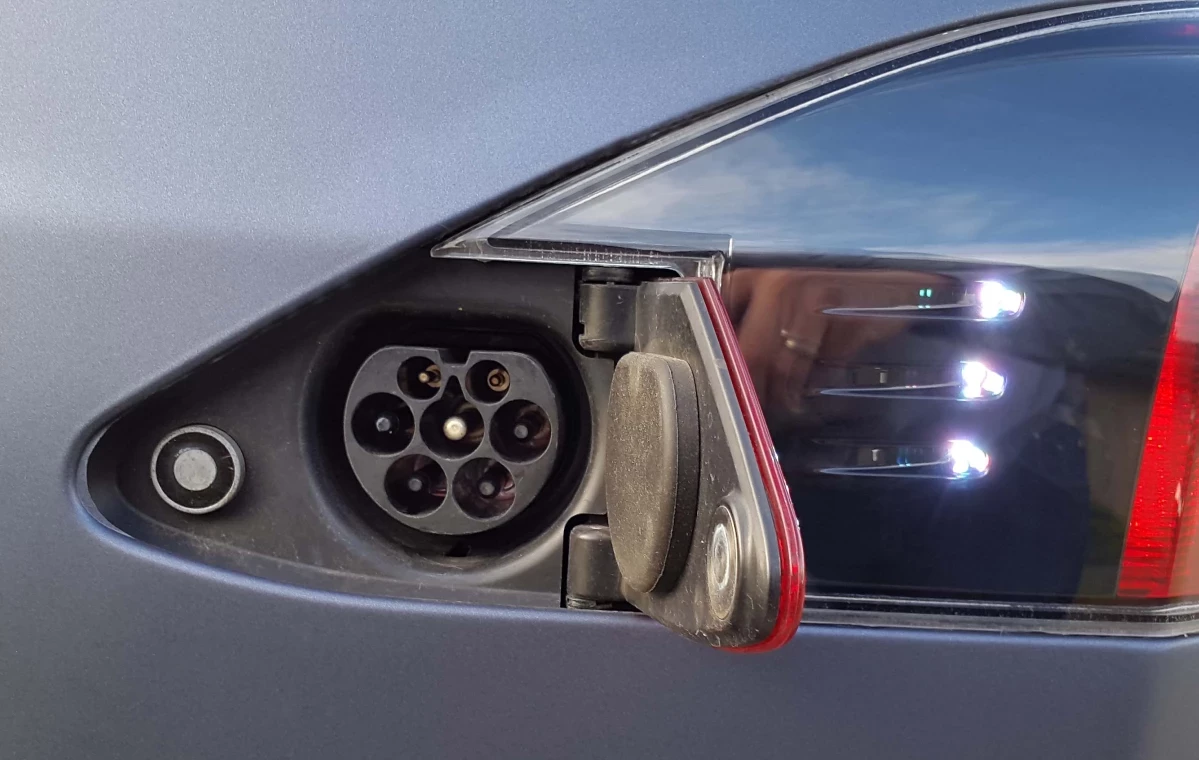
Before purchasing an EV charging station, it is important to understand which charging standard your electric vehicle supports. Many people think that all electric vehicles charge the same way, but that is not the case.
In Europe, most modern electric vehicles use:
- Type 2 — for regular AC charging at home, at the office, or in parking areas;
- CCS2 — ātrajai DC uzlādei publiskajās uzlādes stacijās.
Home charging stations almost always use exactly Type 2 connection.
How to check the connector:
- Open the vehicle’s charging port.
- Look at the shape of the connector.
- Check the vehicle’s technical specifications.
It is also important to understand whether the vehicle supports:
- single-phase charging,
- or three-phase charging AC charging.
This directly affects charging speed at home.
For example:
- if the vehicle supports only single-phase chargingthe charging speed will still be limited even when using an 11 kW or 22 kW charging station;
- if the vehicle supports 3 phasecharging will be significantly faster.
Typical options:
- Single-phase charging → up to 7.4 kW,
- Three-phase charging → 11 kW or 22 kW.
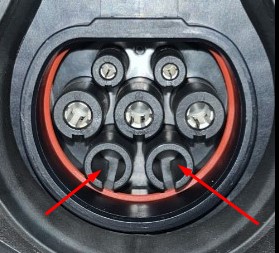
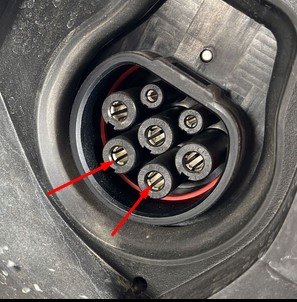
For example:
- Nissan Leaf often uses single-phase charging,
- Tesla, BMW, Audi, and Volkswagen usually support three-phase AC charging.
Before purchasing a charging station, it is recommended to check:
- the home electrical connection,
- available power capacity,
- the vehicle’s onboard charger,
- whether the vehicle supports single-phase or three-phase charging,
- whether you need a fixed cable or a socket version.
A properly selected charging station ensures convenient, safe, and efficient daily EV charging.

